EMF Stress & Digital Wellbeing in a Tech Driven World
January 07, 2026

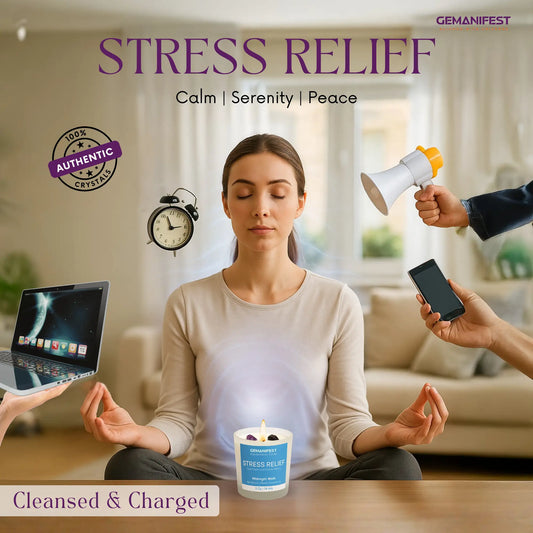
Technology surrounds us from the moment we wake up to the moment we fall asleep. Phones, laptops, Wi-Fi routers, smart appliances, and wearable devices have become everyday companions. While these tools help us stay connected and productive, many people are quietly feeling the effects of constant digital exposure.
Mental fatigue, difficulty concentrating, restless sleep, and a sense of always being “on” are increasingly common experiences. These effects are often linked to EMF stress and technostress, two interconnected challenges that come with modern digital living.
Before exploring how to cope, it helps to understand what EMFs are and why they matter.
What Are EMFs? A Simple Explanation
EMF stands for Electromagnetic Fields. These are invisible energy fields produced by electronic and wireless devices. Smartphones, laptops, Wi-Fi routers, Bluetooth devices, and smart home systems all emit electromagnetic fields while they are in use.
Because EMFs cannot be seen or felt directly, many people are unaware of their presence. However, continuous exposure over time, especially alongside long screen hours and constant connectivity, can place strain on the nervous system and overall energy levels.
How EMF Stress Shows Up in Daily Life
EMF stress and technostress rarely show up as one clear symptom. Instead, they often appear through small, everyday experiences that are easy to overlook.
You might feel wired but exhausted at the end of the day, struggle to mentally switch off at night, or notice that long hours on devices leave you feeling drained rather than productive. Some people experience frequent headaches, restless sleep, difficulty focusing, or a sense of mental fog that makes even simple tasks feel heavier.
These signs are not always dramatic, but they are meaningful. Noticing them is often the first step toward supporting digital wellbeing more consciously.
Why Some People Feel EMF Stress More Strongly
Not everyone experiences EMF stress in the same way. Sensitivity can vary based on lifestyle, workload, sleep quality, stress levels, and overall health.
People who spend extended hours on digital devices, live in high Wi-Fi environments, or struggle with consistent rest may notice the effects more quickly. Recognising these patterns is not about fear or avoidance. It is about awareness and learning when the body needs support.
With that awareness in place, the next step is learning how to cope with technostress in practical, sustainable ways.
Ways to Cope with Technostress
1. Set Boundaries with Technology
Schedule Tech-Free Zones:
Dedicate certain times or spaces in your home as technology-free zones. For example, keep devices out of the bedroom or switch off notifications during meals.
Use the 20-20-20 Rule:
For every 20 minutes spent looking at a screen, take a 20-second break and look at something 20 feet away. This helps reduce eye strain and mental fatigue.
2. Practice Digital Detox
A digital detox involves taking intentional breaks from technology to recharge your mind and body. Even short breaks can significantly reduce technostress.
- Spend evenings or weekends without your phone or laptop
- Engage in offline hobbies such as reading, painting, or spending time in nature
3. Optimise Your Workspace
Ergonomics Matter:
Ensure your desk setup supports good posture. Use a supportive chair, position your screen at eye level, and adjust your workspace to reduce strain.
Blue Light Blockers:
Use blue-light filters on screens or wear blue-light-blocking glasses to reduce eye strain and improve sleep quality.
4. Incorporate Stress-Relief Practices
Mindfulness and Meditation:
Regular meditation or mindfulness exercises help calm the mind and reduce mental overload.
Breathing Exercises:
Deep breathing techniques lower stress levels and help improve focus during work breaks.
5. Use Anti-Radiation Tools and EMF Blockers
Crystals are widely used as natural EMF blockers and grounding tools in high-tech environments.
Black Tourmaline
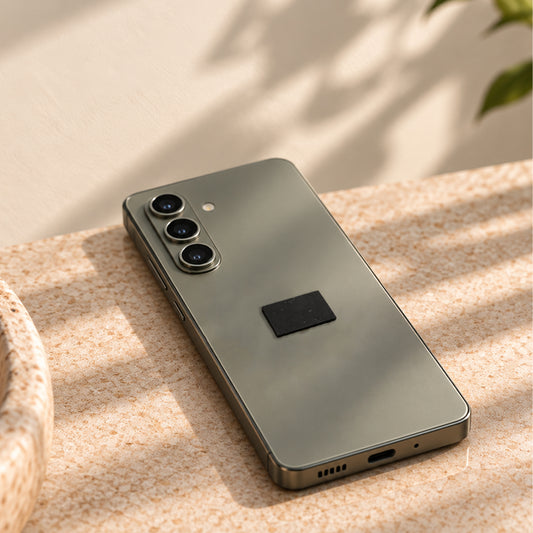
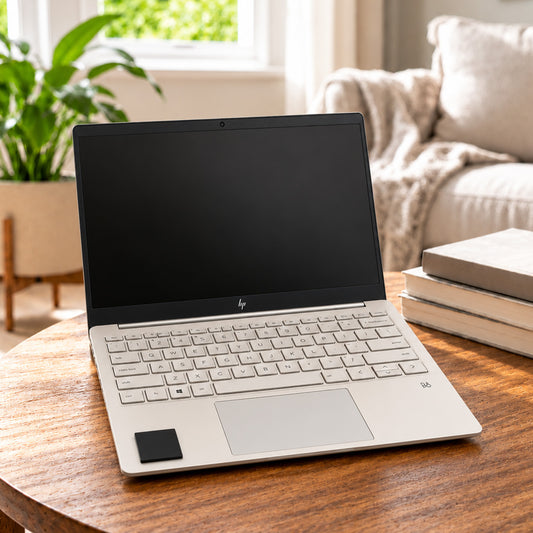
Black Tourmaline is known for its grounding properties and its ability to absorb negative energy. It is often used as a protective shield against EMF radiation and can be placed near electronic devices, worn as jewellery, or kept on a work desk.
Shungite
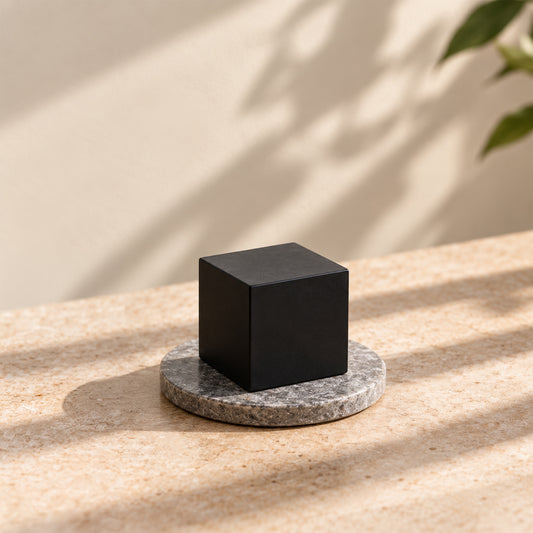
Shungite is known for its ability to neutralize EMF radiation and purify surrounding energy. It is rich in carbon and contains unique molecules called fullerenes, believed to absorb and neutralize harmful energy. Because of this, Shungite is often placed near Wi-Fi routers, laptops, and mobile devices as a natural anti-radiation tool.
6. Take Care of Your Physical Health
- Stay hydrated to help reduce screen-related fatigue and headaches
- Engage in regular physical activity to release tension and improve overall wellbeing
7. Improve Sleep Hygiene
- Avoid screens at least one hour before bedtime
- Place calming crystals like Amethyst or Howlite near your bed to support restful sleep
8. Declutter Your Digital Life
- Organise your inbox and unsubscribe from unnecessary emails
- Remove unused apps and simplify digital spaces to reduce mental overload
Creating a Crystal-Infused Workspace
A thoughtfully arranged workspace can support focus and reduce EMF stress.
- Place Black Tourmaline near monitors or laptops
- Keep Shungite near Wi-Fi routers or other high-EMF areas
- Create a small grounding corner with supportive crystals to reset energy during breaks
Conclusion
Technostress is an inevitable byproduct of living in a digital age, but it does not have to control your life. By setting boundaries, practicing mindfulness, and leveraging the protective power of crystals like Black Tourmaline and Shungite, you can safeguard your mental and physical wellbeing.
It is all about balance. Technology is a tool meant to enhance our lives, not overwhelm them. By taking proactive steps to manage technostress, you can reclaim your energy, boost productivity, and enjoy a healthier relationship with technology. Embrace these practices and allow conscious habits and grounding tools to support you in today’s digital world.